Collector guide · 2026-10-12
The Complete Sports Card Show Guide: How to Find Events, Prepare, Buy, Trade and Avoid Expensive Mistakes
A collector-first field guide to choosing the right card show, building a realistic budget, evaluating cards in person, negotiating with dealers and protecting purchases on the trip home.
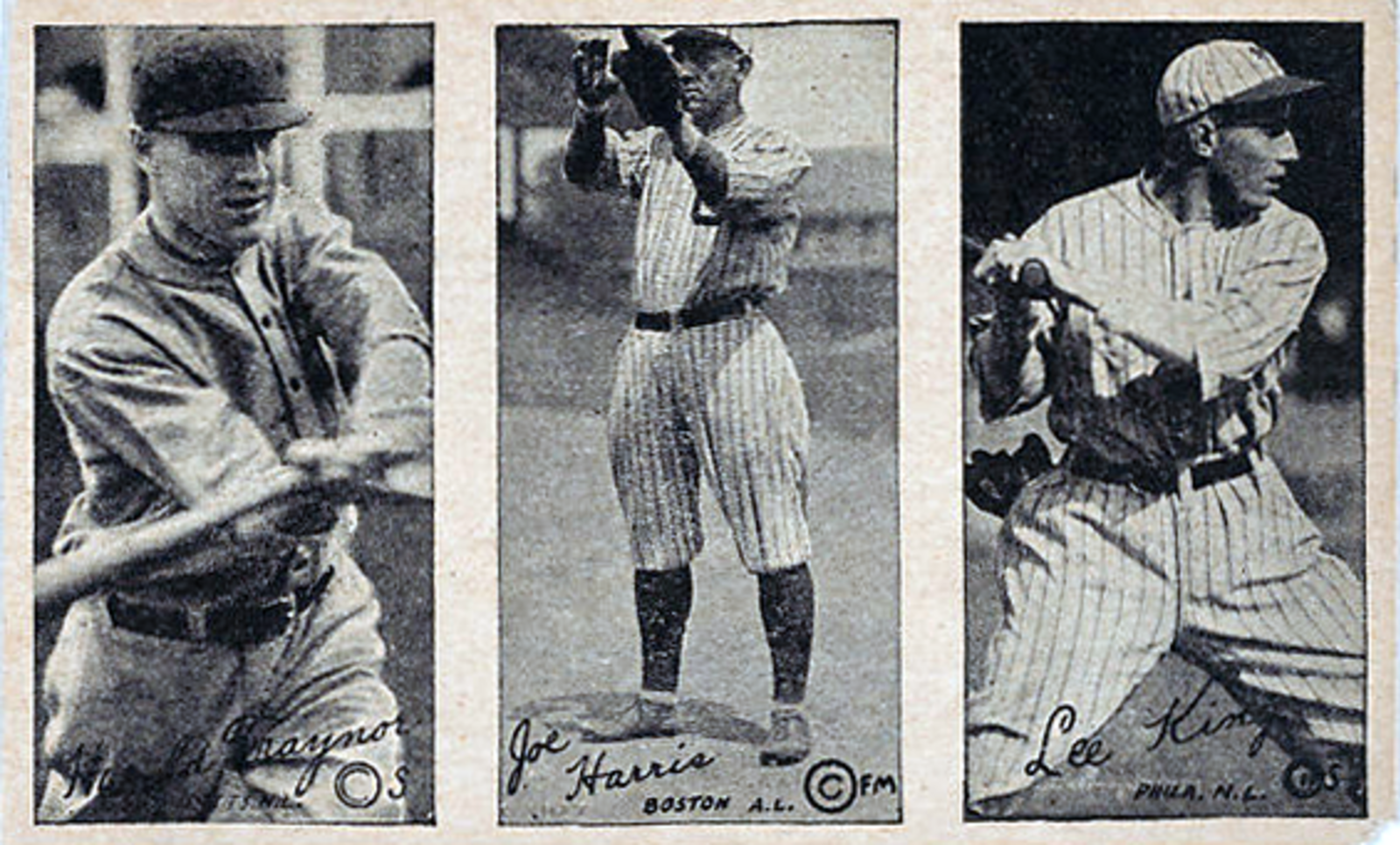
A good card show is not simply a room full of inventory. It is a temporary marketplace where preparation, condition knowledge and relationships determine the quality of the experience.
This guide is written for new and returning sports-card collectors.
Choose the right show
A small regional event can be better for focused buying than a famous national show.
Review the promoter, venue, dealer list, admission rules and event hours before traveling. Card shows range from small hotel events to multi-day national conventions.
Look for signals that match your goal, such as vintage dealers, modern wax, grading submissions or autograph guests. Admission, parking, grading, authentication and travel should be part of the purchase budget.
Use The Collector List to compare dates and avoid discovering a better nearby show after committing. Raw and graded cards require different inspection routines.
Build a show budget
Separate travel and admission costs from the money available for cards.
Create a target list with acceptable condition and price ranges rather than a list of names only. Completed sales are usually more useful than active listings when estimating market range.
Reserve part of the budget for an unexpected card that genuinely fits the collection. Dealer relationships can create future access even when no deal happens that day.
Do not count on reselling purchases quickly to fund the rest of the day. Cash may support negotiation, but secure digital payments and receipts add documentation.
Inspect cards correctly
Ask permission before removing a raw card from a sleeve or holder.
Use strong indirect light to check corners, edges, surface, centering and print defects. Lighting and card removal policies vary by dealer.
Read the grading label, certification number and holder condition instead of looking only at the numeric grade. The Collector List is designed to help users discover shows and conventions by place and category.
Compare the card in front of you with known examples when counterfeit risk is meaningful.
Negotiate without becoming the problem
Start with a fair question about flexibility rather than an insulting offer.
Bundling works best when every card in the group is something you actually want.
Explain a condition concern calmly and give the dealer room to disagree.
Be willing to leave politely because another table or future show may offer a better match.
Sell and trade effectively
Know the difference between retail asking price, recent sale range and dealer buy price.
Organize cards by sport, player, era and approximate value before approaching a table.
Present realistic highlights first instead of making a dealer search an unsorted box.
Record the final terms when cash, cards and future considerations are combined.
Protect the collection afterward
Bring sleeves, semi-rigid holders, graded-card sleeves and a rigid carrying case.
Avoid leaving cards in a hot or cold vehicle while continuing the trip.
Photograph significant purchases and store receipts with the inventory record.
Review what worked before the next show so the experience becomes a repeatable system.
Frequently asked questions
How much cash should I bring to a card show?
Bring only what fits a written budget, and use secure payment methods when documentation or purchase protection matters.
Are card show prices negotiable?
Often, but not always. Condition, demand, dealer cost and whether you are buying several items all affect flexibility.
Should I grade cards at a show?
On-site submission can be convenient, but verify the company, service level, insurance, declared value and return process.
What is the best time to attend?
Opening hours offer selection, while late hours may offer negotiation. The best choice depends on whether access or price matters more.
Sources
RELATED STORIES

Collector guide · 2026-10-12
The TCG and Anime Event Guide: Tournaments, Vendor Shows, Trade Nights and Convention Buying
Understand the difference between tournaments, vendor shows, trade nights and anime conventions before making plans.
Read story ↗
Collector guide · 2026-10-12
Public Autograph Signing Guide: Tickets, Authentication, Inscriptions and Protecting the Moment
Read ticket terms, choose the right item, plan ink and placement, and understand authentication before joining the line.
Read story ↗