Collector guide · 2026-10-12
Coin and Stamp Show Guide: How to Buy, Inspect and Learn at Traditional Collecting Events
Coin and stamp shows remain among the most knowledge-rich collector events. This guide explains bourse floors, dealer etiquette, authentication, grading and the value of specialist societies.
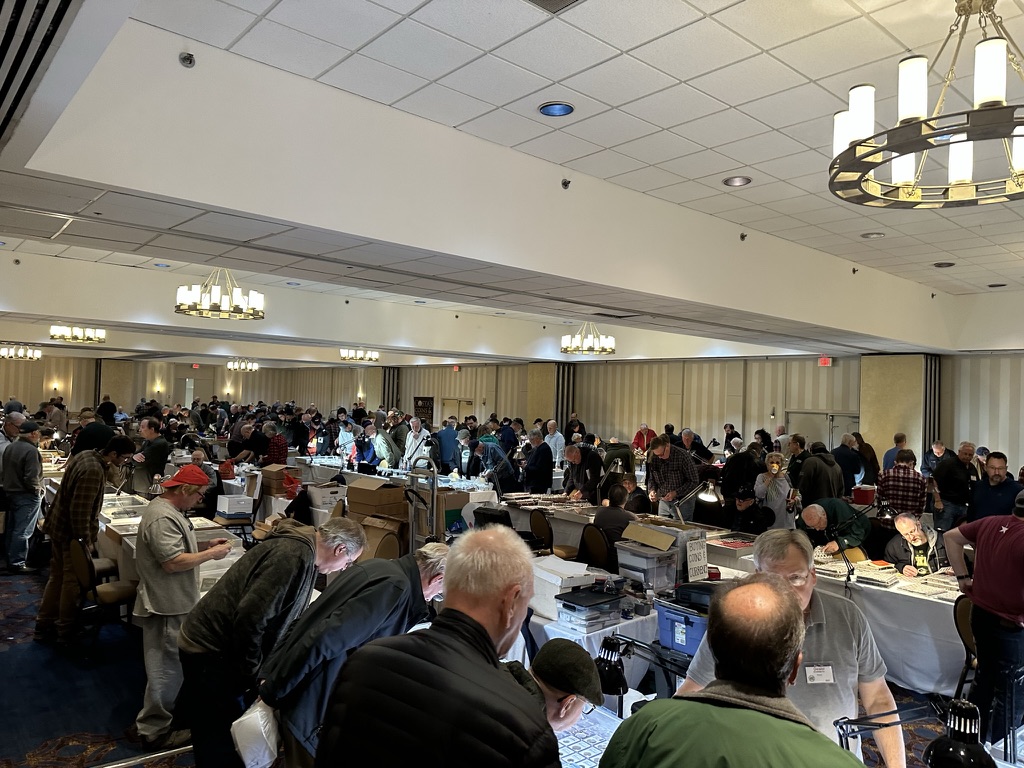
Traditional collecting events offer something online platforms struggle to reproduce: concentrated specialist knowledge. Their value is highest when a visitor arrives ready to ask precise questions and avoids cleaning, handling or reorganizing material first.
This guide is written for new numismatists, philatelists and inherited-collection owners.
Understand the bourse floor
A bourse is a dealer marketplace, often surrounded by exhibits, club tables and educational programming.
Review the event schedule because the learning opportunities may be more valuable than immediate purchases. Coin and stamp events may include dealers, exhibits, club meetings, educational talks and authentication services.
Ask dealers about specialty before presenting an entire inherited collection. Cleaning can permanently alter coins and reduce collector value.
Use the show directory to plan a route rather than stopping at the first table. Stamp gum, hinges, thins, perforations and cancellations affect condition and identity.
Handle coins correctly
Hold raw coins by the edges over a protected surface.
Do not clean, polish or wipe a coin before seeking advice. Coin surfaces, edges, luster and signs of alteration require careful inspection.
Use appropriate magnification and light to study surfaces without aggressive handling. Third-party holders do not eliminate the need to verify certification.
Confirm date, mint mark, variety and weight when those details affect attribution. Inherited collections should be documented before they are reorganized.
Evaluate stamps and covers
Use tongs designed for stamps instead of fingers.
Inspect perforations, centering, gum, hinges, thins, tears, toning and repairs. Specialist societies are valuable sources of attribution knowledge.
A postal cover should be evaluated as a complete historical object rather than only for the stamp. The Collector List’s broad taxonomy can serve both traditional and pop-culture collectors.
Expert certificates can matter for valuable or frequently forged material.
Work with dealers and experts
Describe what you know and what you do not know.
Request a written offer or receipt for significant transactions.
A specialist may decline material outside the dealer’s field, which is often a sign of discipline rather than disinterest.
Seek a second opinion when attribution or authenticity materially changes value.
Plan an inherited collection visit
Photograph albums, boxes and labels before moving items.
Keep original envelopes and notes because they may preserve acquisition history.
Bring a representative sample instead of risking an entire collection on the first trip.
Separate appraisal, purchase offer and insurance valuation as different services.
Use shows to build knowledge
Join a club table conversation and attend a beginner session.
Study exhibits to see condition and rarity in context.
Record reference books and societies recommended by specialists.
The best outcome may be a clearer plan, even when no object changes hands.
Frequently asked questions
Should I clean old coins before a show?
No. Cleaning can damage surfaces and reduce collector interest. Bring coins as found.
Can I bring an inherited stamp album?
Yes, but photograph it first and contact the promoter or a relevant specialist about appraisal arrangements.
Are slabbed coins automatically authentic?
Reputable certification helps, but verify the holder and certification number and remain alert to counterfeit holders.
What is a stamp expert certificate?
It is an opinion from a recognized expertizing body about identification, genuineness and sometimes condition.
Sources
RELATED STORIES
Collector guide · 2026-10-12
The Complete Sports Card Show Guide: How to Find Events, Prepare, Buy, Trade and Avoid Expensive Mistakes
Choose the right card show, set a real budget, inspect cards, negotiate fairly and protect purchases on the way home.
Read story ↗
Collector guide · 2026-10-12
Public Autograph Signing Guide: Tickets, Authentication, Inscriptions and Protecting the Moment
Read ticket terms, choose the right item, plan ink and placement, and understand authentication before joining the line.
Read story ↗