Collector guide · 2026-10-12
Comic Convention or Comic Book Show? How to Pick the Right Event and Build a Better Collection
Comic cons, hotel shows, artist alleys and signing events can look similar on a calendar but offer very different collecting experiences. Here is how to choose and prepare.
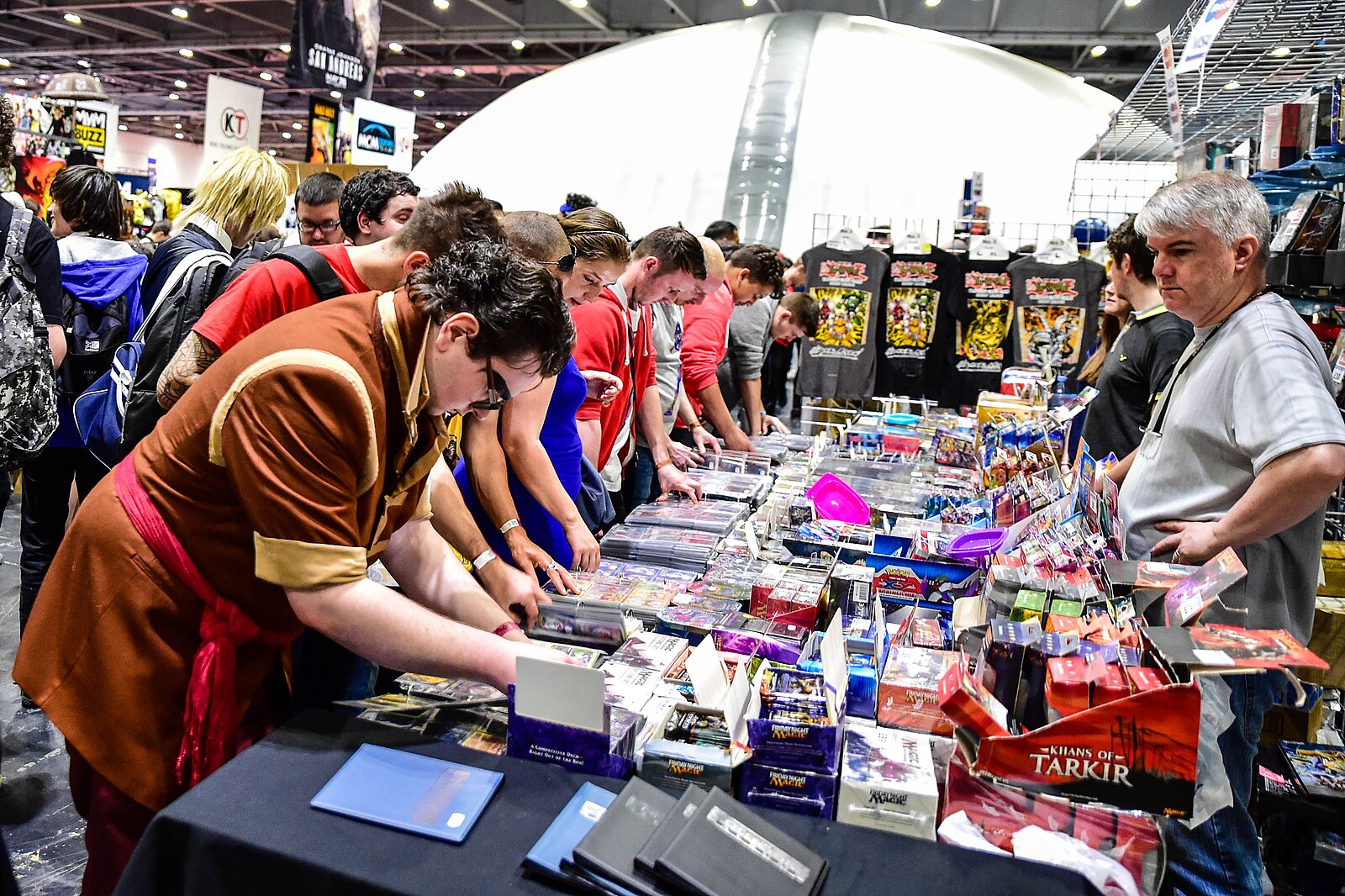
The best comic event is the one aligned with the collector’s actual objective. A celebrity-heavy convention, a dealer-focused comic show and a creator-centered artist alley solve different problems.
This guide is written for comic readers, key-issue collectors and original-art buyers.
Understand the event types
A media convention can deliver celebrity access and major panels while offering less back-issue depth.
A local comic show may have lower admission and a higher percentage of serious comic inventory. Large comic conventions mix entertainment, cosplay, creators, publishers and vendors.
Artist-focused festivals prioritize creators, small press and original work. Traditional comic shows usually devote more floor space to back issues and dealers.
Signing events are efficient when one guest or book is the central goal. Artist Alley is the primary access point for commissions, signatures and creator-owned work. Choose the format that concentrates the dealers, creators or guests you actually want to meet.
Plan around the collection
Identify whether you want reading copies, high-grade keys, variants, signatures, art or discovery.
Set grade ranges and defect tolerance before comparing prices. Variant labels do not by themselves establish scarcity.
Check guest schedules and commission policies directly with creators when possible. Raw comic inspection requires attention to spine, staples, cover gloss, page quality and restoration clues.
Map nearby comic events so travel can serve more than one collecting goal. Witnessed signature programs have rules that must be followed before the book is signed.
Evaluate raw and graded comics
Hold raw books by the edges and ask before removing them from bags.
Check spine stress, corners, staple placement, tears, stains, writing and page completeness. Original art and published pages require clear creator and publication information.
Treat slab condition and certification as separate from the grade printed on the label. The Collector List covers conventions, shows and public signings.
Research restoration and married-component risk on expensive vintage books.
Buy variants intelligently
Identify publisher, issue, cover artist, retailer, print designation and event connection.
A high ratio or limited claim is useful only when ordering and distribution are understood.
Choose covers you enjoy because price performance across variants is inconsistent.
Preserve invoices and event materials when provenance is part of the appeal.
Navigate signatures and commissions
Understand whether a signature will be witnessed, authenticated later or kept as a personal memento.
Ask about personalization, remark fees, item limits and photography before reaching the table.
Commission price reflects time, complexity, size and artist demand.
Transport wet ink and fresh artwork in separate protective materials.
Turn one event into a collecting network
Remember reliable dealers and creators instead of treating every purchase as anonymous.
Follow future event appearances through verified schedules.
Share clear want lists without demanding early access or special pricing.
A strong network improves information and enjoyment even when it never produces a bargain.
Frequently asked questions
What is the difference between a comic con and a comic show?
A comic con usually covers many entertainment categories, while a comic show is more likely to center dealers, back issues and creators.
Should I get a signed comic graded?
Only if the grading and signature program fits your goal. A personal signature does not need a slab to be meaningful.
How do I avoid fake variants?
Verify the issue, cover, publisher, retailer and event through official listings and reputable databases.
Can I negotiate with comic dealers?
Often, especially on multiple books, but condition and recent demand still shape the seller’s flexibility.
Sources
RELATED STORIES

Collector guide · 2026-10-12
Public Autograph Signing Guide: Tickets, Authentication, Inscriptions and Protecting the Moment
Read ticket terms, choose the right item, plan ink and placement, and understand authentication before joining the line.
Read story ↗
Collector guide · 2026-10-12
Toy and Action Figure Show Guide: Vintage Finds, Modern Exclusives and Smart Convention Buying
Inspect completeness, packaging, reproductions and vintage condition before buying toys and figures at a show.
Read story ↗