Collector guide · 2026-10-12
Toy and Action Figure Show Guide: Vintage Finds, Modern Exclusives and Smart Convention Buying
A practical guide to toy fairs, action-figure conventions and pop-culture marketplaces, including packaging checks, completeness, reproduction parts and shipping strategy.
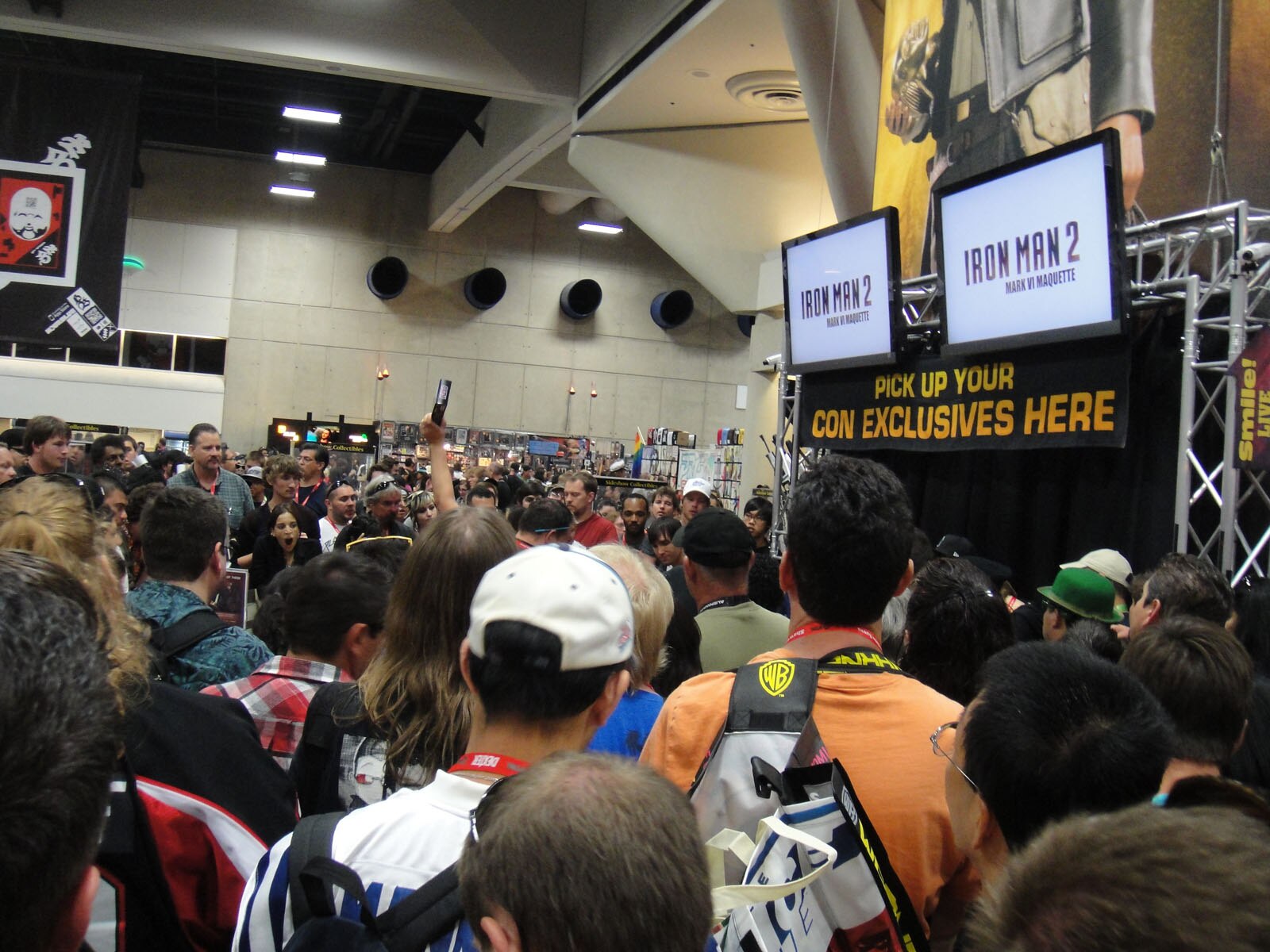
Toy shows reward hands-on inspection more than almost any online marketplace. The advantage disappears, however, when buyers do not know what accessories, packaging and condition details belong with an item.
This guide is written for vintage toy, action figure, model and statue collectors.
Find the right toy show
Read the event description for category emphasis rather than assuming every toy fair has the same inventory.
Dealer photos from prior editions can reveal whether the floor leans vintage, modern or handmade. Toy events may specialize in vintage toys, modern action figures, trains, dolls, models or designer collectibles.
Ask whether early-bird admission provides meaningful access or simply extra time. Loose completeness and carded condition use different evaluation standards.
Compare location, parking and carrying needs before choosing a distant show. Reproduction accessories can be difficult to distinguish without comparison references.
Inspect loose toys
Check every joint, peg, hinge, paint application and electronic function that can be tested safely.
Use a reference checklist for weapons, stands, alternate hands and small accessories. Sun fading, smoke, odors and plastic degradation may not be obvious in seller photos. Compare the item with a reliable reference before treating an incomplete example as complete.
Look for stress marks, discoloration, corrosion and repairs. Large boxes and statues make transport part of the purchase decision.
Confirm whether replacement or reproduction parts are included and priced accordingly. Convention exclusives may later receive shared retail versions.
Inspect packaged items
Examine seals, tape, window clarity, card flatness, bubbles, corners and hang tabs.
Ask whether a box has been opened even when the figure appears untouched. Prototype and production images can differ.
Factory double tape, retailer stickers and age can complicate simple sealed-versus-open labels. The Collector List can connect broad event discovery with specialized toy categories.
Protect the package during the rest of the show instead of carrying it by the card edge.
Understand exclusives
Distinguish convention-only, convention-debut, shared-retailer and first-to-market releases.
A sticker can matter to some buyers but should not replace verification of the underlying item.
Production quantity and restock policy are more important than dramatic booth language.
Buy the design you want rather than the story that everyone else will want it tomorrow.
Transport large collectibles
Measure vehicle and luggage limits before buying statues, playsets or cases.
Ask the dealer to retain inserts and packing materials.
Photograph the item before shipping or handing it to a carrier.
Insurance should reflect documented value and the carrier’s collectible exclusions.
Build a better toy-show routine
Photograph want-list references instead of relying on memory for subtle variants.
Carry batteries, a small light and protective bags when event rules allow them.
Record sellers who describe flaws accurately.
Use each show to refine the collection’s boundaries, not merely to add volume.
Frequently asked questions
How can I spot reproduction accessories?
Compare shape, color, flexibility, mold marks and known examples, and ask the seller directly.
Are convention-exclusive figures always rare?
No. Some receive large production runs or shared distribution. Confirm the specific release type.
What should I bring to a toy show?
A want list, reference photos, budget, measuring information, protective bags and a safe plan for transporting large items.
Should I open a vintage packaged toy?
That is a personal collecting decision, but opening changes the item’s condition category and may affect market value.
Sources
RELATED STORIES
Collector guide · 2026-10-12
Comic Convention or Comic Book Show? How to Pick the Right Event and Build a Better Collection
Compare comic conventions, focused comic shows, artist alleys and signing events before choosing where to spend a day.
Read story ↗
Collector guide · 2026-10-12
The TCG and Anime Event Guide: Tournaments, Vendor Shows, Trade Nights and Convention Buying
Understand the difference between tournaments, vendor shows, trade nights and anime conventions before making plans.
Read story ↗