
Collector guide · 2026-11-02
The Smart Buyer’s Guide to Antique and Vintage Fairs: Provenance, Condition, Negotiation, and Hidden Costs
A cross-category method for making better decisions when furniture, jewelry, ceramics, advertising, textiles, art, and everyday vintage objects share the same floor.
Quick answer
The safest way to buy at an antique and vintage fair is to make four decisions in order: identify the exact object, document its condition, test the seller's supporting evidence, and compare the full price with genuinely similar examples. Bring room and doorway measurements, a tape measure, flashlight, magnification, color references, a charged phone, packing material, a vehicle plan, and a budget that includes transport and conservation. If any major claim cannot be verified, price the item as uncertain or leave it behind.
Why a specialist show is worth attending
Online marketplaces make inventory searchable, but a specialist event puts objects, experts, collectors, clubs, and competing sellers in the same physical space. That concentration changes what a buyer can learn. You can compare examples side by side, ask a seller to explain a condition term, observe how experienced collectors handle an item, and discover categories you did not know how to search for.
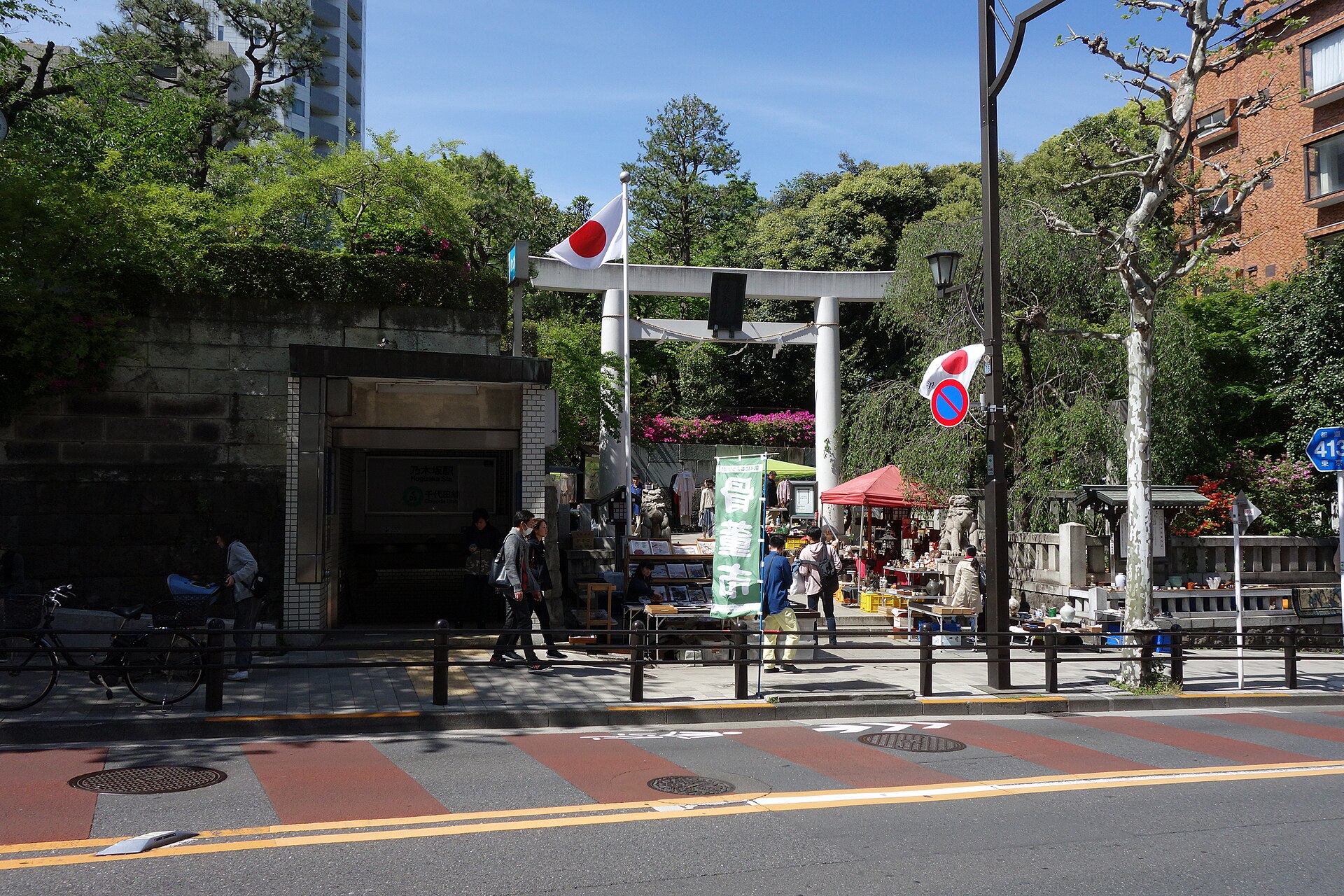
An antique and vintage fair usually includes general antique dealers, category specialists, vintage clothing racks, jewelry cases, furniture rows, print and art booths, architectural salvage, folk art, ceramics, glass, advertising, and mixed estate tables. That mixture is the real attraction. The sales floor provides inventory, while exhibits and conversations supply context. A first-time visitor should measure success by what they learn as well as what they buy.
The goal of this guide is to help you define what the object is, evaluate condition and restoration, ask for provenance, calculate total ownership cost, and negotiate without losing useful information. It is not a substitute for category expertise, professional authentication, legal advice, or conservation treatment. It is a repeatable framework for deciding when you have enough evidence to move forward and when uncertainty should stop the purchase.
Before the event: define what a good day looks like
Start with a one-page plan. Divide possible purchases into three groups: exact targets, useful alternatives, and discovery purchases. An exact target should include the identifying details that separate the desired version from similar examples. Alternatives let you adapt if the target is absent or overpriced. A small discovery budget preserves the pleasure of finding something unexpected without consuming the money reserved for your priority.
Set three ceilings. The first is the total show budget. The second is the highest amount you will spend on one object without leaving the table to research it. The third is the amount that requires a written receipt, return understanding, or independent second opinion. These thresholds should be decided at home, not while a seller or crowd is waiting.
Research the organizer's current page for public hours, early admission, bag limits, payment rules, prohibited items, parking, accessibility, food, re-entry, and whether sales continue through the final hour. Save the address and organizer contact separately from a social-media post. Event details can change, and a directory listing should lead you back to the current official source.
Pack for inspection and safe transport, not for every imaginable problem. For this category, bring room and doorway measurements, a tape measure, flashlight, magnification, color references, a charged phone, packing material, a vehicle plan, and a budget that includes transport and conservation. Avoid tools or handling methods that could damage another person's property. Ask permission before opening, disassembling, powering, moving, or photographing anything.
Understand the floor before you spend
Make one orientation lap unless a truly scarce target is the reason you arrived early. Note specialists, testing or authentication services, education areas, restrooms, exits, and booths you want to revisit. Save booth numbers or photograph dealer signs with permission. Large events can make a promising table surprisingly difficult to find again.
During the first lap, build price and condition anchors. You are not trying to memorize every item. You are learning what ordinary, strong, restored, incomplete, and premium examples look like in that room. The marked price is one data point. A seller's willingness to explain an item is another. The density of similar stock tells you whether immediate action is necessary.
Do not assume the busiest booth has the best inventory or the quietest table has the weakest. Crowds follow personalities, releases, giveaways, and social media as often as quality. Evaluate the object and seller on the evidence available to you.
Identity before price
An antique fair compresses many markets into one building. The evidence needed to identify a silver spoon differs from the evidence needed for a chair, quilt, poster, or watch. Write down the seller's exact description: claimed maker, period, material, place of manufacture, and any qualification such as “attributed to” or “in the style of.” Ask which physical features support each claim. A plausible style alone does not establish an age or maker.
Use “antique” and “vintage” as starting descriptions, not certificates. Sellers and categories use the words differently. If a particular date affects the price, ask for an estimated production range and the evidence behind it. Compare the object with a reference for the same type, not just an online photograph of a similar design.
Use the language of the category
Furniture buyers should distinguish original joinery and hardware from later replacements. For ceramics, ask about maker marks, glaze, repairs, and whether the piece belongs to a known pattern. Textile buyers need to understand fiber, weave, fading, moth damage, and later stitching. For jewelry, record metal marks, measurements, stone descriptions, repairs, and whether the seller has tested a claimed material. Printed paper may need examination of printing method, margins, folds, backing, and later reproduction. These questions are different; a single “looks old” test cannot serve them all.
The back, underside, interior, and unfinished surfaces can reveal construction and change, but fragile pieces should stay in the dealer's hands. Ask the seller to turn or open an object. Record observations separately from conclusions: “two newer screws on the back rail” is more useful than “fake chair” when you later check a reference.
Condition is a set of facts
Look for both damage and intervention. A tight old repair may be acceptable, while an unstable leg, active corrosion, loose stone, spreading crack, or flaking surface can require immediate professional attention. Ask what has been refinished, repainted, relined, reupholstered, reglued, rewired, or replaced. Describe location and extent; “restored” by itself says too little about value or safe use.
Inspection differs by material. On furniture, check joints and load-bearing areas without sitting or pulling unless invited. On textiles, look at folds and seams for losses without stretching them. On jewelry, inspect settings and closures under the seller's supervision. On ceramics and glass, use angled light for cracks, chips, and overpaint, but do not tap or stress an object. For paper, note foxing, tears, trimming, adhesion, and light exposure. If you cannot inspect a consequential area, keep that uncertainty in the price decision.
Documentation creates durable value
Provenance is a documented ownership history, not simply an appealing story. Invoices, labels, exhibition records, photographs, catalogs, correspondence, and prior-sale records can support an attribution when they connect clearly to the object in front of you. Ask to see copies and check that dates, descriptions, dimensions, and identifying marks agree. A certificate without a traceable issuer or supporting record deserves limited weight.
Some fairs describe a formal vetting process, while others do not. TEFAF and PAN Amsterdam describe expert committees that inspect objects before their fairs open. That is useful context, but it does not replace your questions about a particular dealer's description, title, or remedy. For antiquities and culturally sensitive material, stop if ownership or export history is unclear and obtain qualified advice before purchase.
The event is also a classroom
Use the floor to compare genuine examples, not just prices. Ask a specialist how a material ages, what a common repair looks like, and which references they trust. Exhibits, talks, and dealers can help you learn the vocabulary before you make a costly decision. Take notes on a few examples you do not buy: their construction, condition, asking price, and any documents shown. Those comparisons make later purchases more informed.
Build a collection, not a pile
Decide where an object will go and how it will be cared for before you negotiate. A large cabinet needs a route through doors and stairs; an unframed print needs suitable storage or framing; a textile may need pest isolation; a lamp may need electrical assessment before use. Smithsonian American Art Museum's collection-care guidance is a useful starting point for slowing down before cleaning or repair, though a conservator should assess valuable or fragile objects individually.
The price includes more than the dealer's tag. Delivery, insurance, conservation, framing, mounting, rewiring, pest treatment, and storage can change the value of a purchase to you. Negotiate only after you understand the object's condition and total cost. A respectful offer tied to evidence is more useful than a reflexive percentage discount.
The ten-point inspection sequence
Use the same order each time, but adapt the inspection to the material. Ask permission before moving, opening, photographing, or testing an object. When a step cannot be completed at the fair, mark it unresolved rather than treating it as passed.
1. Identify materials and construction before accepting a date
Name the base material, finish, and construction method. Solid wood, veneer, plated metal, cast metal, printed paper, and handwoven textile can demand very different care and prices. Ask which features support the claimed period or maker, then compare with a suitable specialist reference. A signature, label, or stamp is one clue, not a complete authentication.
2. Look at backs, undersides, interiors, feet, seams, fasteners, and unfinished surfaces
Ask the dealer to position the object safely. Look for tool marks, secondary woods, fastener types, labels, lining, repair patches, and finish changes where they are visible. Note whether these observations fit the front and the seller's account. Do not force drawers, peel back fabric, or remove mounts to reach a hidden area.
3. Separate age-appropriate wear from structural damage
Use angled light to find cracks, chips, losses, stains, fading, loose joints, and overpaint. A surface patina may be consistent with use; a spreading crack or weak load-bearing joint changes whether an object can be used safely. Describe the affected area and its size. If a repair estimate matters to the price, get one from a qualified professional before committing.
4. Ask about replaced parts and refinishing
List the components that may not be original: handles, feet, frames, settings, clasps, upholstery, backing, or electrical parts. Ask when and by whom work was done, whether the replaced material is included, and whether a written record exists. A professional repair can be sensible; undisclosed replacement can still change historical integrity and market comparison.
5. Inspect for active pests, mold, odor, corrosion, and instability
Check likely risk areas without putting the item near your own purchases. For wood and textiles, ask about signs of current insect activity and treatment history. For paper and fabric, note musty odor, visible mold-like growth, and water staining without disturbing affected material. Check metal for active-looking corrosion and furniture for loose joints. If the concern is material, isolate the item and consult a conservator rather than trying a show-floor treatment.
6. Request provenance or prior-sale information when it supports the price
Ask for invoices, catalogs, old photographs, labels, or correspondence that identify this specific piece. Compare the object's dimensions, marks, and distinctive damage with the paperwork. Record whether the seller owns the item or is offering it on consignment, and ask what provenance claims can be written on the receipt. Price an unverified association as unverified.
7. Measure the object and every doorway it must pass through
Record height, width, depth, and weight where possible. Measure detachable parts separately and confirm whether the seller will disassemble or pack them. For large furniture, check the route through vehicle, stairs, elevators, doors, and final room. For prints or textiles, note dimensions needed for storage or framing. Do not assume a piece can be returned because it does not fit.
8. Calculate delivery, framing, rewiring, restoration, and storage
Write down the tagged price and every foreseeable additional cost. A chair may need safe transport and upholstery; a print may need archival framing; a lamp may need professional electrical assessment; a fragile textile may need conservation and suitable storage. Ask who bears shipping risk and whether any quoted delivery includes packing and insurance. Compare the total with a complete, usable alternative.
9. Check fair return and dealer guarantee policies
Ask the dealer what happens if a material description is wrong, if damage is discovered after collection, or if delivery fails. Distinguish the organizer's event rules from the dealer's sale terms. Get any approval period, authenticity guarantee, or return condition in writing before paying. For cross-border purchases or regulated objects, check current official rules for the specific item and route.
10. Write the dealer and object details on the receipt
Record the seller's name and contact, event and date, object description, dimensions, price, included parts, disclosed condition and repairs, provenance claims, and any guarantee. Photograph identifying details with permission. Keep the receipt and images together so the description can be checked later for insurance, conservation, or resale.
What determines value at this kind of show
The most useful value factors are maker, date, materials, construction, design, condition, restoration, provenance, rarity, regional demand, usefulness, size, transport, and long-term care. Not every factor carries equal weight for every item. A common example in exceptional original condition may be more desirable than a rare example with serious undisclosed problems. A documented association can create value, while a dramatic but unsupported story should not.
Compare like with like. The correct reference has the same identity, version, completeness, condition range, and level of documentation. Asking prices can show seller expectations, but completed sales show that a buyer actually accepted a price. Even completed results require interpretation because fees, shipping, guarantees, timing, and venue differ.
Calculate the all-in cost. Include tax, buyer fees, shipping, delivery, insurance, cases, mounts, repairs, conservation, missing components, and the time required to make the purchase usable. An inexpensive object with an expensive problem is not automatically a bargain.
Questions that produce useful answers
Begin with an open question: “What can you tell me about this example?” Let the seller describe it before you supply your own theory. Then narrow the conversation.
- How did you identify it?
- What is original, replaced, restored, repaired, or reproduced?
- How was it tested or examined?
- What is missing?
- What do you know about previous ownership?
- Which documents or references support the description?
- Is any uncertainty reflected in the price?
- What will the receipt say?
- What happens if a material representation is later shown to be wrong?
Listen for distinctions between known, believed, attributed, and possible. Those words are not interchangeable. A careful seller may use qualified language because the evidence has limits. That is more trustworthy than absolute certainty unsupported by documentation.
Red flags that should slow the transaction
- a famous attribution based only on family tradition
- fresh distressing presented as age
- structural repair hidden by paint or upholstery
- electrical items sold as safe because they light up
- an archaeological object with vague modern provenance
- a price comparison to an unrelated museum example
A red flag does not always prove fraud. It means the next step should be more evidence, a lower price that reflects uncertainty, or no purchase. The burden is greater as the price and claim become more significant.
How to negotiate without losing information
Inspect first and negotiate second. If you begin by challenging the price, the conversation can become a contest before you have learned what the seller knows. Ask whether the price is firm, whether there is room on multiple items, or whether a specific condition issue has already been considered.
Make an offer you are ready to complete. Explain it briefly when useful, then allow the seller to accept, counter, or decline. Do not create defects, insult the stock, or demand a discount as a test of status. A professional relationship with a reliable specialist can produce future opportunities that are more valuable than winning one aggressive negotiation.
If the seller provides strong documentation, a meaningful guarantee, expertise, and careful packing, include those benefits in the comparison. The cheapest example is not always the lowest-risk purchase.
A practical show-day schedule
Opening hour
Go directly to exact targets or scarce categories. Confirm the show's layout and note services you may need later. Do not spend the entire budget before seeing enough of the floor to understand the day's inventory.
Middle of the day
Compare similar examples, attend one educational program, and revisit the strongest booths. Eat, drink water, and review your budget. Fatigue makes condition problems easier to miss and social pressure harder to resist.
Final hours
Return for planned negotiations, collect dealer information, photograph receipts, and make sure each purchase is packed correctly. Final-hour flexibility exists, but it should not turn an unsuitable object into a good purchase.
Care, transport, and documentation after purchase
Photograph the item, receipt, packaging, labels, distinguishing features, and any damage as soon as practical. Save the seller's name, booth, event, date, description, price, and representations. Download or capture any online listing connected to the transaction.
Keep the purchase stable, dry, and protected from pressure and temperature extremes. Do not begin aggressive cleaning or restoration because the object looks dusty under home lighting. First identify the materials and document the original condition. For high-value or fragile pieces, consult a qualified conservator.
Create a collection record with identity, dimensions, materials, acquisition source, cost, provenance, condition, repairs, photographs, and storage location. This record supports insurance, research, loans, estate planning, and honest resale. Documentation created today can become part of the object's provenance tomorrow.
How to use The Collector List to plan the next show
Search by collectible category, geography, and date, then open the organizer's current page before making travel plans. Save a primary event and one backup in the same region. Compare whether each show emphasizes dealers, education, displays, auctions, signings, competitions, or family programming.
After attending, keep notes on event quality: accuracy of the listing, number and type of sellers, organizer communication, accessibility, price range, authenticity resources, and whether the event matched its description. That information improves your own future choices and can help The Collector List distinguish a true specialist event from a generic market using collectible keywords.
Frequently asked questions
How old must something be to be an antique?
Definitions vary by category and jurisdiction. In casual use, antique often means at least 100 years old, while vintage usually refers to a later period. Ask for a specific estimated date.
Can I touch items at an antique fair?
Ask first, especially for jewelry, textiles, glass, art, and fragile objects. Dealers may prefer to remove items from cases or help you inspect them.
Is restoration always a problem?
No. Quality, disclosure, extent, and collector preference matter. Understand what was changed and whether the price reflects it.
How do I research an unfamiliar mark?
Photograph it with permission, record the object and material, and compare reliable maker references. Marks can be copied, altered, or used over long periods, so do not date an item from one stamp alone.
Should I ask for provenance?
Yes when ownership history supports identity, legality, association, or price. Ask for documents rather than relying only on a verbal story.
Can I return an antique bought at a fair?
Policies vary by dealer and event. Ask before paying and put any authenticity guarantee or approval period in writing.
How much should I offer below the marked price?
There is no universal percentage. Make a respectful, evidence-based offer you are prepared to complete, or ask whether the price is firm.
How do I find a vetted antique fair?
Use The Collector List to locate fairs, then follow the current organizer link. Ask whether the organizer vets objects or dealers, what that review covers, and whether the exhibitor list and sale terms are public. Many markets have no formal vetting process; do not assume a listing or admission implies authentication.
Final checklist
Before you pay, confirm that you can answer all ten questions:
- What exactly is the item?
- Which parts or components are original?
- What condition facts affect use or value?
- What restoration, repair, or alteration is present?
- What documentation supports authenticity and provenance?
- What remains uncertain?
- What are the closest genuine market comparisons?
- What is the total ownership cost?
- What remedy exists if a material claim is wrong?
- Can you transport, store, and care for it responsibly?
The bottom line
A strong day at an antique and vintage fair is not measured by the number of bags you carry out. It is measured by the quality of the decisions you can still defend after the excitement fades. Identify first, inspect second, document third, and price last. Buy the object that fits your collection, evidence standard, budget, and ability to care for it. Leave the rest for another show.
RELATED STORIES
Collector guide · 2026-10-12
Coin and Stamp Show Guide: How to Buy, Inspect and Learn at Traditional Collecting Events
Learn how bourse floors work, how to handle material safely and when to ask specialists for help.
Read story ↗
Collector guide · 2026-10-12
Toy and Action Figure Show Guide: Vintage Finds, Modern Exclusives and Smart Convention Buying
Inspect completeness, packaging, reproductions and vintage condition before buying toys and figures at a show.
Read story ↗