
Collector guide · 2026-10-28
The Complete Vinyl Record Fair Guide: How to Find, Grade, Price, and Buy Records With Confidence
A field guide for first-time and experienced collectors who want to turn a crowded record fair into a focused, safe, and rewarding hunt.
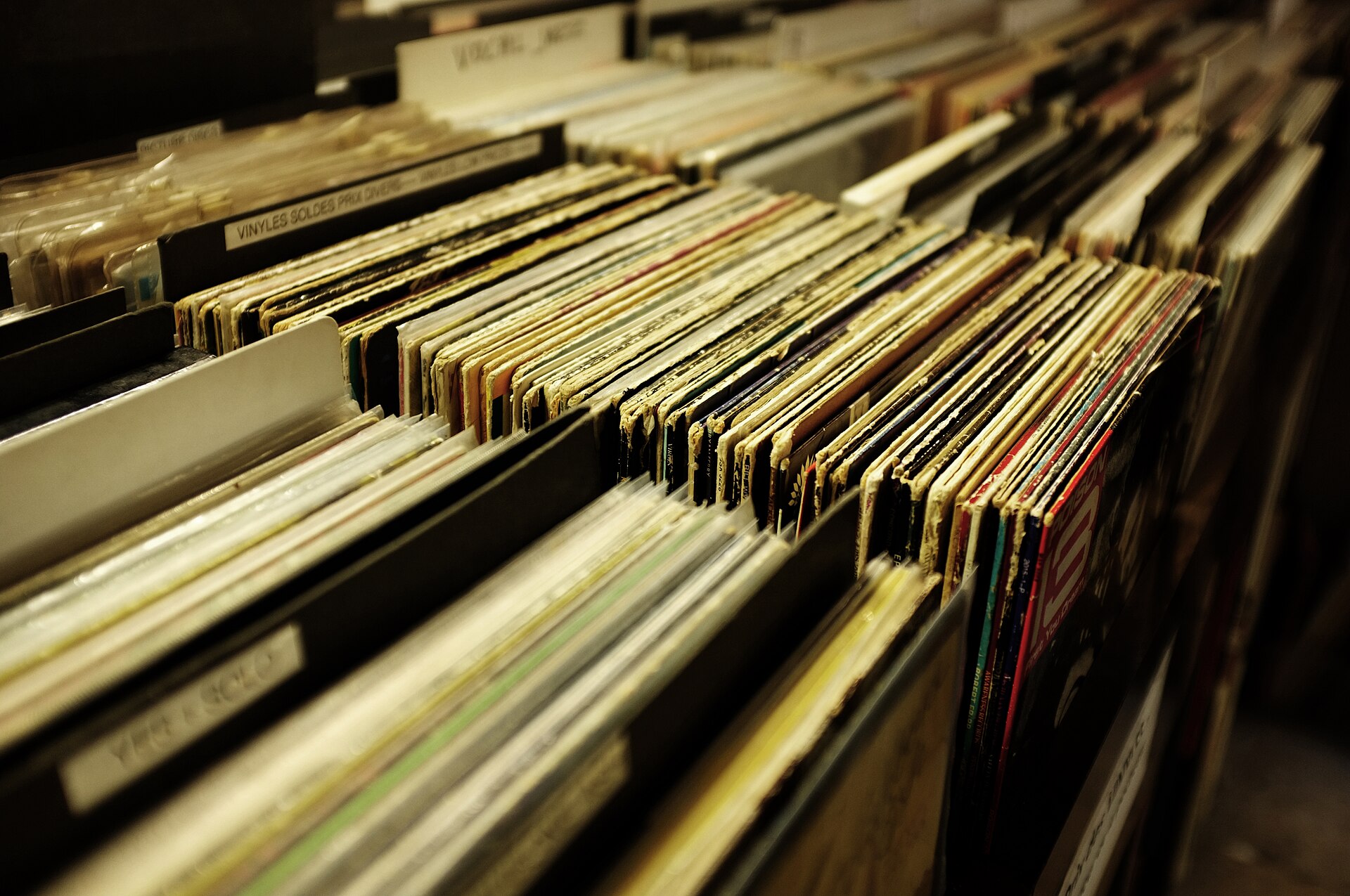
Quick answer
The safest way to buy at a vinyl record fair is to make four decisions in order: identify the exact object, document its condition, test the seller's supporting evidence, and compare the full price with genuinely similar examples. Bring a compact want list, a charged phone, a small flashlight, clean hands, a rigid record tote, outer sleeves, and a realistic spending ceiling. If any major claim cannot be verified, price the item as uncertain or leave it behind.
Why a specialist show is worth attending
Online marketplaces make inventory searchable, but a specialist event puts objects, experts, collectors, clubs, and competing sellers in the same physical space. That concentration changes what a buyer can learn. You can compare examples side by side, ask a seller to explain a condition term, observe how experienced collectors handle an item, and discover categories you did not know how to search for.
A vinyl record fair may offer dealer tables organized by genre, bargain bins, premium displays, label specialists, and occasional listening or live-program areas. The sales floor provides inventory, while conversations with knowledgeable dealers supply context. A first-time visitor should measure success by what they learn as well as what they buy.
The goal of this guide is to help you identify the right pressing, judge condition under show-floor conditions, compare prices, and carry purchases home safely. It gives you a repeatable order of checks when a crowded room makes a purchase feel urgent.
Before the event: define what a good day looks like
Start with a one-page plan. Divide possible purchases into three groups: exact targets, useful alternatives, and discovery purchases. An exact target should include the identifying details that separate the desired version from similar examples. Alternatives let you adapt if the target is absent or overpriced. A small discovery budget preserves the pleasure of finding something unexpected without consuming the money reserved for your priority.
Set three ceilings. The first is the total show budget. The second is the highest amount you will spend on one object without leaving the table to research it. The third is the amount that requires a written receipt, return understanding, or independent second opinion. These thresholds should be decided at home, not while a seller or crowd is waiting.
Research the organizer's current page for public hours, early admission, bag limits, payment rules, prohibited items, parking, accessibility, food, re-entry, and whether sales continue through the final hour. Save the address and organizer contact separately from a social-media post. Event details can change, and a directory listing should lead you back to the current official source.
Pack for inspection and safe transport: a compact want list, charged phone, small flashlight, rigid record tote, and a few outer sleeves. Ask permission before removing a record from its sleeve or photographing a dealer's stock.
Understand the floor before you spend
Make one orientation lap unless a truly scarce target is the reason you arrived early. Note dealers specializing in your genres, any listening stations, and booths you want to revisit. Save booth numbers or photograph dealer signs with permission. Large events can make a promising table surprisingly difficult to find again.
During the first lap, build price and condition anchors. Compare a few copies of the same title or label when possible. Look at both the disc and jacket, and note whether higher prices correspond to a different pressing, better condition, or included inserts. A marked price is one data point; a seller's explanation can tell you what is actually being offered.
Do not assume the busiest booth has the best inventory or the quietest table has the weakest. Crowds follow personalities, releases, giveaways, and social media as often as quality. Evaluate the object and seller on the evidence available to you.
Identity before price
At a record fair, speed matters less than sequence. Begin with identity, move to condition, and only then discuss value. A beautiful jacket can contain the wrong pressing, and a desirable label can hide a damaged groove. The most expensive mistake is paying for the story you hope is true before verifying the physical object in your hands.
Grade the disc and jacket separately, and write down the specific evidence behind each grade. Note visible scuffs, scratches, warping, spindle marks, seam splits, ring wear, writing, stickers, and missing inserts. A seller's grade is a useful starting point, but the copy in your hands—not the label on the price sticker—should control the decision.
Use the language of the category
Grading language is useful only when buyer and seller mean the same thing. Discogs uses the Goldmine standard for marketplace listings, but real-world interpretation varies. Ask a dealer what a grade means at that table. Near Mint should not be shorthand for generally nice. Very Good Plus can still contain visible wear, and a record graded visually may sound different from one that has been play-tested.
Inspect the playing surface under angled light while holding the record only by its edge and label area. Look across the disc for warping, then examine both sides for groove wear, scratches, residue, and mold. If playback quality materially affects the price, ask whether the seller visually graded or play-graded the copy and which passages were tested.
Condition is a set of facts
A phone can support a decision without taking over the experience. Use it to identify a pressing, check a short range of completed sales, and record a dealer name. Do not compare a clean, complete first pressing with a later reissue or a copy missing inserts. The right comparable is the same object in a similar condition, not the highest number a search returns.
For a significant purchase, record the catalog number, matrix or runout markings, country, label variation, disc and jacket grades, included inserts, disclosed defects, seller name, date, and price. Photograph the label, runout area, jacket, and receipt when the seller permits it. Those details make later research, insurance, trade, or resale more accurate.
Documentation creates durable value
Keep a note of the pressing details and condition you actually saw: label, catalog number, matrix or runout, disc and jacket grades, inserts, defects, seller, and price. Ask for those details on the receipt when a purchase is costly. A photograph of the label and runout, taken with permission, will be more reliable than memory when you compare copies later.
Use dealer conversations to sharpen your own judgment. Ask how a specialist distinguishes similar pressings, which defects matter most for a genre or label, and why two apparently similar copies are priced differently. Save the names of dealers whose descriptions consistently match what you observe; a reliable specialist can become a valuable source long after the fair ends.
The event is also a classroom
The best fairs are research opportunities even when you buy nothing. Compare two copies of the same title, learn how a dealer reads deadwax markings, and ask what a particular label variation changes. Note sellers whose grading matches your own observations.
Before buying an attractive copy outside your plan, ask what role it will have in the collection. It might fill a pressing gap, replace a weaker copy, broaden a focused label or artist run, or simply be the one discovery purchase allowed by your budget. If you cannot explain the fit, take a photo of the details with permission and reconsider after the first lap.
Build a collection, not a pile
Use your want list to keep priorities clear, but leave room for one well-researched discovery. A copy belongs in the collection when you can explain its pressing, condition, price, and role alongside the records you already own. Those notes will also make a later trade or upgrade easier to judge.
The ten-point inspection sequence
Use the same order every time, and ask the dealer before removing a disc from its sleeve or photographing it. Handle the disc by its edge and label area, away from food and drinks.
1. Confirm the catalog number and label design
Compare the number on the jacket and disc, the label artwork, country, format, and any edition markings. A familiar cover can contain a later or entirely different pressing.
2. Compare the matrix or runout information when a pressing matters
Read the etched or stamped text near the label on both sides and compare it with a reliable pressing reference. Matrix details can distinguish versions that share a cover and catalog number. If you cannot establish the edition, do not pay a premium for an asserted first pressing.
3. Look across the playing surface in angled light
Rotate the disc gently under angled light. Note scuffs, scratches, residue, groove wear, and any marks that cross the groove. Inspect both sides; a glossy surface alone does not prove quiet playback.
4. Separate paper scuffs from deeper scratches
Light sleeve marks may have little audible effect, while a deeper mark can produce repeated clicks or a skip. Do not run a fingernail across the grooves. Ask to hear the affected passage when playback quality materially affects the price.
5. Check for warping at eye level
Sight across the disc and, if the dealer allows, watch it rotate on a turntable. A slight edge lift and a severe dish warp are different problems. Decide whether your equipment can safely play the copy before accepting a discount.
6. Inspect the spindle area
Clusters of spindle marks can indicate repeated handling or play, even when the rest of the disc looks clean. They are one clue, not an automatic grade; weigh them with the grooves, sound, and seller's description.
7. Check the jacket and inner sleeve
Look for seam splits, ring wear, writing, stickers, cutouts, water rippling, and a musty smell. Keep a suspected moldy copy away from the rest of your purchases. Grade the jacket separately from the disc.
8. Confirm every included insert
Check for the correct inner sleeve, lyric sheet, poster, booklet, or other item claimed in the listing. Missing original inserts can change both the value and the edition identification; a modern replacement is not the same thing.
9. Ask whether the record has been play-graded
Find out whether the grade is visual or based on playback, which equipment was used, and whether the whole disc or selected tracks were tested. A visual VG+ copy can sound worse than expected. If listening is impossible, price that uncertainty in.
10. Verify that the disc matches the jacket
Before paying, check the artist, title, side labels, and catalog numbers again. Have the seller describe significant defects and included inserts on the receipt, along with the date and price. Pack the disc and jacket safely for the trip home.
What determines value at this kind of show
The most useful value factors are exact pressing, catalog and matrix information, label variation, included inserts, disc and jacket condition, scarcity, and recent comparable sales. Not every factor carries equal weight. A common title in exceptional condition may be more desirable than a scarce copy with serious playback problems.
Compare like with like. The correct reference has the same identity, version, completeness, condition range, and level of documentation. Asking prices can show seller expectations, but completed sales show that a buyer actually accepted a price. Even completed results require interpretation because fees, shipping, guarantees, timing, and venue differ.
Calculate the full cost, including sales tax, any card surcharge, a replacement inner or outer sleeve, and safe transport. A cheap disc that needs specialist cleaning or cannot play on your turntable may be a poor bargain.
Questions that produce useful answers
Begin with an open question: “What can you tell me about this example?” Let the seller describe it before you supply your own theory. Then narrow the conversation.
- How did you identify it?
- Does the disc match this jacket and catalog number?
- Is the grade visual or based on playback?
- Are any inserts or original sleeves missing?
- Have you noticed noise, skips, warping, or cleaning residue?
- Which pressing reference supports the edition claim?
- Is any uncertainty reflected in the price?
- What will the receipt say?
- What happens if a material representation is later shown to be wrong?
Listen for distinctions between known, believed, attributed, and possible. Those words are not interchangeable. A careful seller may use qualified language because the evidence has limits. That is more trustworthy than absolute certainty unsupported by documentation.
Red flags that should slow the transaction
- a valuable pressing identified only by the cover
- a Mint grade on a visibly handled used record
- no permission to inspect an expensive disc
- fresh shrink wrap presented as proof of an original seal
- strong odor, moisture rippling, or active mold
- a price justified only by an unsold online listing
A red flag does not always prove fraud. It means the next step should be more evidence, a lower price that reflects uncertainty, or no purchase. The burden is greater as the price and claim become more significant.
How to negotiate without losing information
Inspect first and negotiate second. If you begin by challenging the price, the conversation can become a contest before you have learned what the seller knows. Ask whether the price is firm, whether there is room on multiple items, or whether a specific condition issue has already been considered.
Make an offer you are ready to complete. Explain it briefly when useful, then allow the seller to accept, counter, or decline. Do not create defects, insult the stock, or demand a discount as a test of status. A professional relationship with a reliable specialist can produce future opportunities that are more valuable than winning one aggressive negotiation.
If the seller provides strong documentation, a meaningful guarantee, expertise, and careful packing, include those benefits in the comparison. The cheapest example is not always the lowest-risk purchase.
A practical show-day schedule
Opening hour
Go directly to exact targets or scarce categories. Confirm the show's layout and note services you may need later. Do not spend the entire budget before seeing enough of the floor to understand the day's inventory.
Middle of the day
Compare similar examples, attend one educational program, and revisit the strongest booths. Eat, drink water, and review your budget. Fatigue makes condition problems easier to miss and social pressure harder to resist.
Final hours
Return for planned negotiations, collect dealer information, photograph receipts, and make sure each purchase is packed correctly. Final-hour flexibility exists, but it should not turn an unsuitable object into a good purchase.
Care, transport, and documentation after purchase
Photograph the disc labels, jacket, inserts, visible defects, and receipt as soon as practical. Save the seller's name, booth, event, date, pressing details, condition disclosures, and price. Capture any online listing connected to the transaction.
Keep records upright in a rigid bag, dry, and away from heat. Do not leave them in a parked car or stack heavy purchases on top. At home, document the condition before cleaning; use a method suitable for vinyl and avoid aggressive experiments on valuable copies.
Create a collection record with the pressing, matrix, grades, inserts, source, cost, photographs, and storage location. Those details support an honest future sale, trade, or insurance record.
How to use The Collector List to plan the next show
Search by collectible category, geography, and date, then open the organizer's current page before making travel plans. Save a primary event and one backup in the same region. Compare whether each show emphasizes dealers, education, displays, auctions, signings, competitions, or family programming.
After attending, keep notes on event quality: accuracy of the listing, number and type of sellers, organizer communication, accessibility, price range, authenticity resources, and whether the event matched its description. That information improves your own future choices and can help The Collector List distinguish a true specialist event from a generic market using collectible keywords.
Frequently asked questions
Are records cheaper at a record fair?
Sometimes, but not automatically. Fairs create competition and remove shipping costs, while also concentrating scarce inventory. Compare exact pressings and condition, then value the ability to inspect the copy in person.
Can I ask to remove a record from its sleeve?
Yes, politely. Support the disc by the edges and label, keep food and drinks away, and follow the dealer's handling preference.
What does VG+ mean?
It means Very Good Plus within the commonly used Goldmine scale. It should show some signs of use but remain an appealing, playable copy. Individual grading can vary, so inspect the record yourself.
Should I negotiate at a record show?
Reasonable offers are common, especially for multiple items. Start with interest, ask whether there is flexibility, and avoid treating every marked price as an invitation to demand a large discount.
How do I check a pressing at the show?
Use the catalog number, label design, country, format, and matrix or runout details. Match all of them before assuming that a cover identifies the disc.
What should I bring to carry records?
Use a rigid, weather-resistant tote that keeps records upright. Bring a few clean outer sleeves and avoid overfilling the bag.
Is a sealed vintage record always more valuable?
No. A seal can be replaced or misleading, the jacket can hide warping, and some buyers prefer a verified open copy. Value depends on authenticity, condition, pressing, and buyer demand.
How can The Collector List help?
Use the event directory to compare dates, locations, organizer details, and show types, then save more than one nearby option so a cancellation does not end your collecting weekend.
Final checklist
Before you pay, confirm that you can answer all ten questions:
- What exactly is the item?
- Do the disc, jacket, catalog number, and runout agree?
- What are the separate disc and jacket grades?
- Were the playing surfaces inspected on both sides?
- Was the record play-graded, and what was heard?
- Are the claimed inserts and original sleeves present?
- What defects or edition details remain uncertain?
- What did comparable copies in similar condition actually sell for?
- What condition and edition claims will the receipt record?
- Can you carry the copy home upright, dry, and away from heat?
The bottom line
A strong day at a vinyl record fair is not measured by the number of bags you carry out. It is measured by the quality of the decisions you can still defend after the excitement fades. Identify first, inspect second, document third, and price last. Buy the object that fits your collection, evidence standard, budget, and ability to care for it. Leave the rest for another show.
RELATED STORIES
Collector guide · 2026-10-12
Coin and Stamp Show Guide: How to Buy, Inspect and Learn at Traditional Collecting Events
Learn how bourse floors work, how to handle material safely and when to ask specialists for help.
Read story ↗
Collector guide · 2026-10-12
Toy and Action Figure Show Guide: Vintage Finds, Modern Exclusives and Smart Convention Buying
Inspect completeness, packaging, reproductions and vintage condition before buying toys and figures at a show.
Read story ↗